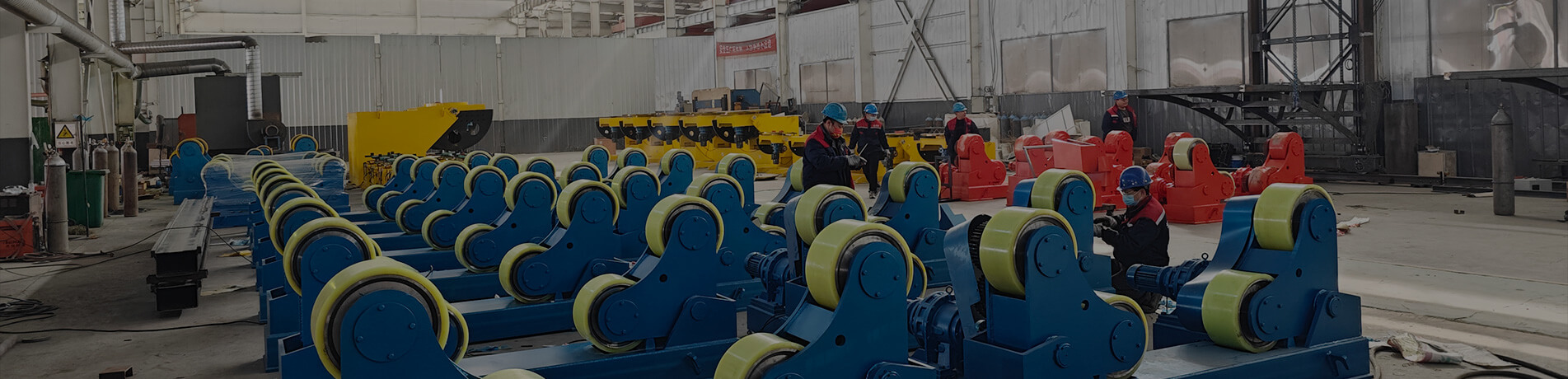
In welding manufacturing, weld quality has always been a critical indicator of product reliability. As downstream industries demand higher structural safety and longer service life, quality assessment is no longer limited to whether individual welds meet basic standards. Instead, manufacturers are placing greater emphasis on overall consistency and long-term stability throughout the welding process.
In practical production, variations in welding quality often result from multiple factors, including workpiece alignment accuracy, welding parameter control, welding position changes, and differences in operator habits. As production volumes increase and workpieces become larger, these factors can have a greater impact, making quality control more challenging.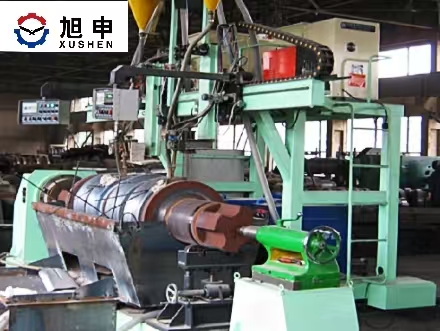
Industry experience shows that improving welding consistency requires a systematic approach. Standardized process planning and unified parameter settings help reduce variability caused by manual operation. In addition, proper workpiece support and positioning play an important role in maintaining uniform stress distribution during welding, reducing deformation and potential defects.
More manufacturers are now viewing welding as a continuously optimized production system rather than a single operation. By focusing on stable process conditions and repeatable results, companies can achieve both consistent quality and improved efficiency. This shift toward quality stability is becoming an important trend in modern welding manufacturing.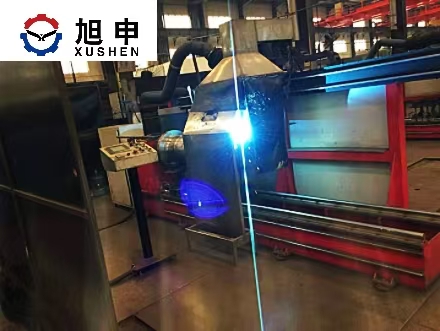

 English
 Русский
 中文
中文