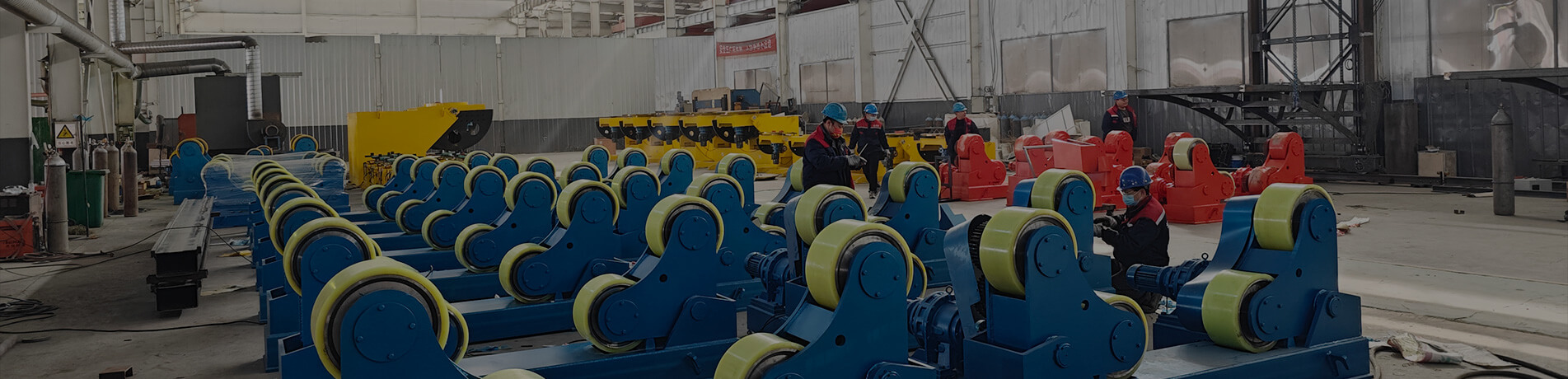
Welding is one of the most fundamental joining processes in metal fabrication and is widely used in steel structures, pressure vessels, heavy machinery, shipbuilding, and energy equipment. As manufacturing standards continue to rise, traditional manual welding methods increasingly struggle to meet requirements for consistency, productivity, and workplace safety. As a result, welding automation has become a key development direction within the industry.
Welding automation is not defined by a single machine, but rather by an integrated system that includes welding power sources, mechanical execution units, workpiece positioning devices, and control systems. By mechanically supporting and rotating the workpiece while maintaining stable welding parameters, automated welding systems significantly reduce human-related variability and improve weld quality consistency.
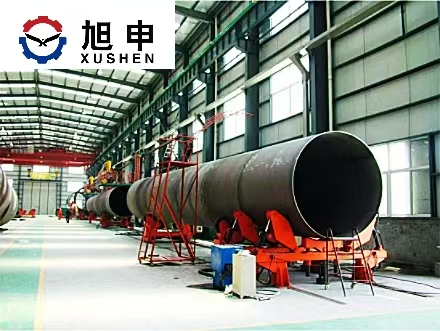
From a process perspective, automated welding allows better control of heat input, helping to minimize distortion and residual stress—particularly important for thick plates and long continuous welds. Additionally, operators are moved away from high-temperature and labor-intensive environments, focusing instead on monitoring and process supervision, which improves overall workplace safety.
Today, welding automation is evolving toward greater flexibility and intelligence. With the integration of frequency control, sensor feedback, and digital management systems, automated welding equipment can adapt to a wider range of workpiece sizes and provide valuable data for quality traceability and process optimization. In the future, welding automation will serve not only as a productivity tool but also as a critical foundation for quality assurance and competitive manufacturing.


 English
 Русский
 中文
中文