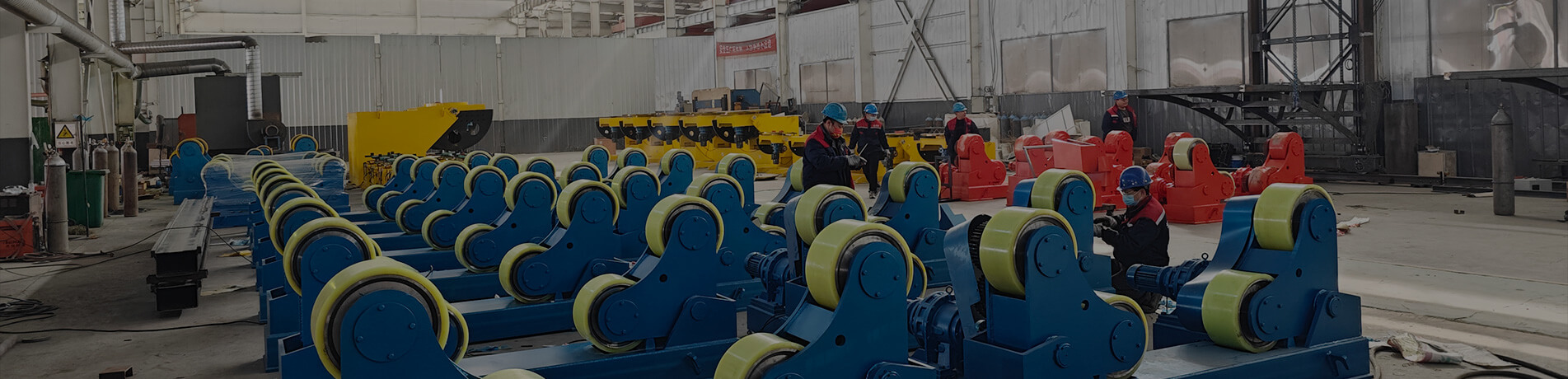
When choosing a welding positioner, the first specification many users look at is load capacity. For example, if a workpiece weighs 5 tons, does that mean a 5-ton positioner is the right choice? Not necessarily. Rated load capacity is only the starting point. Two workpieces with the same weight can place very different demands on a positioner because of their size, shape, and center of gravity. Choosing the right positioner therefore requires more than simply matching the workpiece weight.
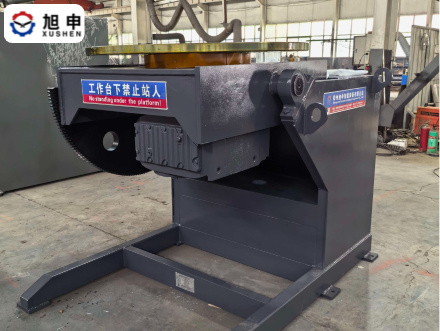
The workpiece diameter, length, height, and center of gravity can all affect how the positioner operates. A large or significantly offset workpiece may create greater overturning moments and eccentric loads even when its weight is within the rated capacity. The required movement also matters. Does the workpiece only need to rotate, or does it need to tilt as well? What tilting angle is required? Does the rotation speed need to be adjustable? For automated welding applications, it is also important to consider whether the positioner’s rotation can be coordinated with the welding system. These factors together determine whether a particular positioner is suitable for the application.
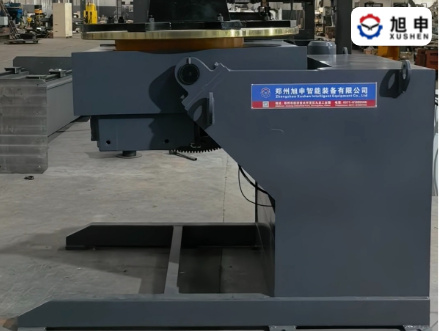
A suitable welding positioner is therefore not simply one with the same rated capacity as the workpiece weight. It needs to match the entire welding task. Workpiece weight, dimensions, center of gravity, offset distance, tilting angle, and rotation requirements all play a role in selecting the right model and configuration. Providing the workpiece dimensions, drawings, and welding requirements along with its weight can make the selection much more accurate. The right welding positioner is not simply the one that carries the weight—it is the one that fits the entire welding application.

 English
 Русский
 中文
中文