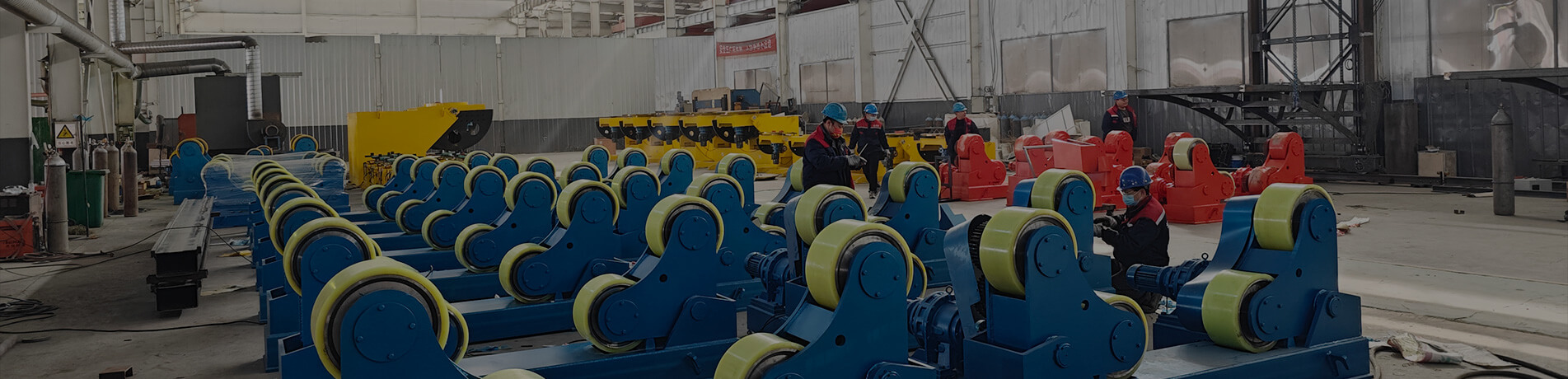
For large‑size pressure vessels, storage tanks, steel structures and mechanical components, heavier workpieces bring greater challenges for turnover and positioning during welding. The 30‑ton welding positioner drives heavy‑duty workpieces to rotate by means of an electrically‑powered worktable. It converts frequent adjustments originally performed by lifting equipment into continuous, controllable mechanical motion. After the workpiece is placed and secured, its rotating posture can be modified according to weld seam positions to provide optimal working positions for welding operations.
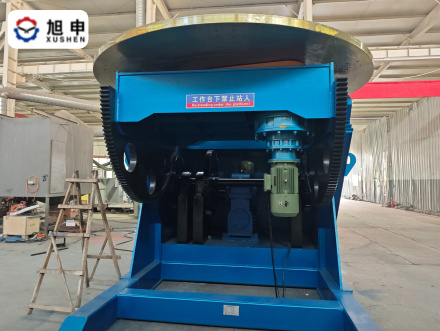
Rotation of heavy‑duty workpieces requires the equipment not only to bear heavy loads, but also to maintain stable operation. Workpiece weight, dimensions, center‑of‑gravity height and eccentricity will affect the actual rotating load. Therefore, the worktable, support structure, bearings, reduction mechanism and drive system shall be well‑matched with one another. For different workpieces, appropriate rotation speed can be configured based on actual load and service conditions. This enables stable operation under heavy‑load circumstances and reduces frequent hoisting and re‑positioning of workpieces.
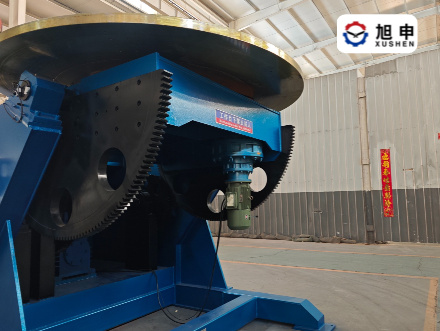
In practical production, the value of the positioner is mainly reflected in the welding process itself. Continuous rotation allows welders to adjust their working posture according to weld seam locations, which is especially suitable for circumferential seam welding of cylinders and large structural components. Equipped with a hand‑held controller and speed‑regulation function, workpiece movement can be flexibly controlled to match welding procedures. For production lines that process heavy‑duty workpieces on a long‑term basis, the equipment not only supports workpieces, but more importantly, delivers a smoother workflow covering rotation, positioning and welding of large‑sized workpieces.

 English
 Русский
 中文
中文