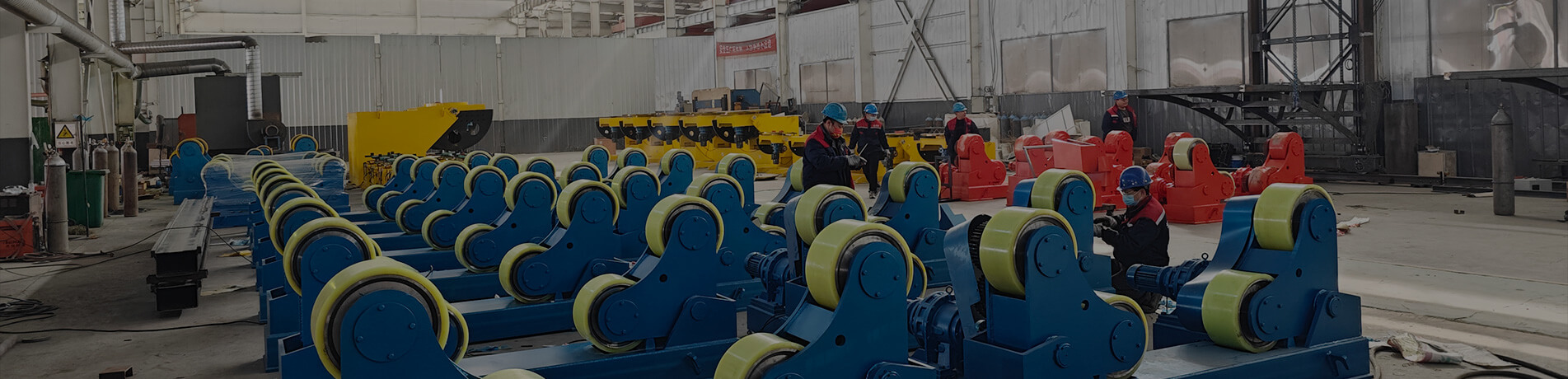
In welding steel structures, pipelines, and cylindrical workpieces, welding positioners have become essential equipment for improving production efficiency and weld quality. To make the most of them, it is not enough to rely on the equipment alone; correct, standardized, and efficient operation is equally important. Based on years of manufacturing and project experience, we have summarized key operation points to help users achieve easier and more stable welding.
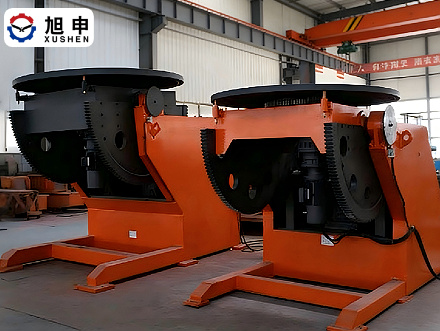
First, always inspect the equipment before operation. Ensure the rotating table, drive mechanisms, and electrical circuits are in good condition and functioning properly. This can effectively prevent shaking or stoppage during welding, which may affect weld quality. Operators should also wear gloves, safety goggles, and protective shoes to ensure safe operation.Next, securing the workpiece is critical for welding stability. Adjust the fixture and rotating table according to the size of the workpiece, ensuring it remains firmly fixed during rotation or tilting. Proper clamping reduces the welder’s workload and helps produce uniform and straight welds.Before starting welding, it is recommended to perform a trial rotation at a moderate speed to ensure smooth operation. Whether using the control cabinet or a remote control, maintaining a steady, controllable speed helps improve weld consistency and reduce rework.After welding, regular maintenance is equally important. Simply follow two steps: clean slag and debris from the rotating table and fixture to prevent interference with operation; lubricate the drive mechanisms and check electrical components. These simple practices extend equipment lifespan and ensure stable welding performance.
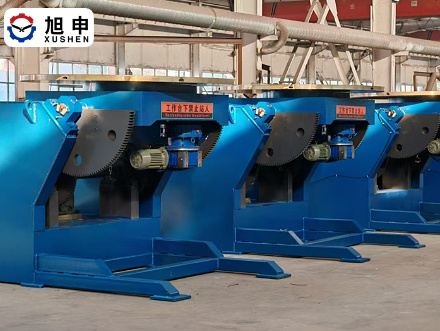
Proper use of a welding positioner not only significantly reduces labor intensity but also improves weld quality and production efficiency.Xushen Welding is committed to providing reliable and practical welding automation equipment, making every welding task easier and more efficient.

 English
 Русский
 中文
中文